How to Build a Second Brain with Task Management Apps
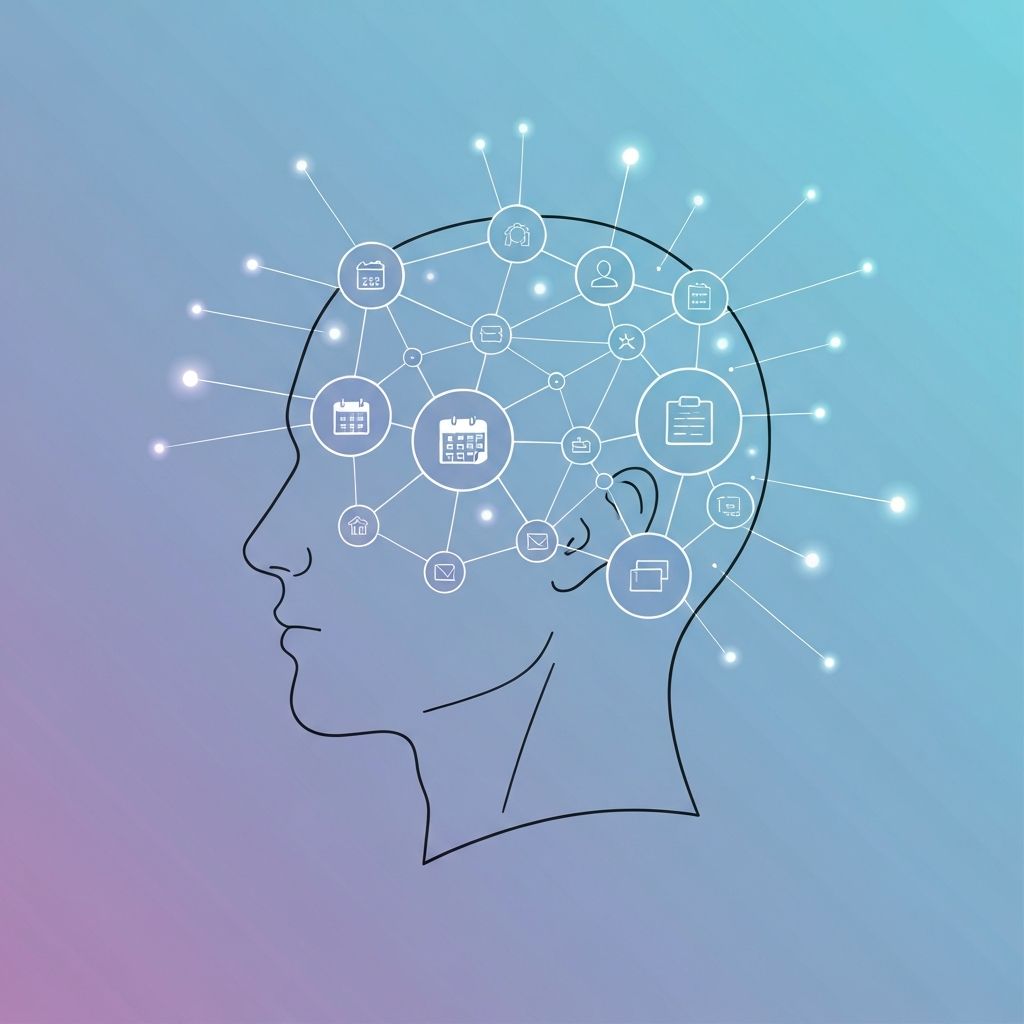
Have you ever felt like you have too many ideas, tasks, and projects floating in your head? The 'Second Brain' concept can change everything.
What is a Second Brain?
A Second Brain is a trusted external system where you store your notes, ideas, tasks, and references so your biological brain is free to think, create, and decide — not to remember. Coined by Tiago Forte, the concept is built on the CODE method: Capture, Organize, Distill, Express.
Capture Everything
The first step is to capture anything that resonates with you — an idea during a meeting, a quote you read, a task you don't want to forget. Use quick-entry tools: a note app, voice memos, or a task manager like Future Task. The key is frictionless capture so nothing slips through.
Organize with PARA
PARA stands for Projects, Areas, Resources, and Archives. Projects are active goals with deadlines. Areas are ongoing responsibilities. Resources are reference material. Archives hold inactive items. Structure your task manager and notes around PARA to find anything in seconds.
Distill to the Essence
Not all captured information is equally useful. Distill means highlighting the most important bits so that future-you can review quickly. Bold key sentences, create summaries, and tag items. When you return to a note weeks later, the essence should be instantly visible.
Express by Creating
A Second Brain only pays off when you use it to create — a presentation, a plan, a blog post, a solution. Combine your captured notes and tasks into outputs. Future Task's AI assistant can help you synthesize your notes and turn them into action plans.
Why Task Management Apps are the Foundation
Notes alone aren't enough. Linking ideas to actionable tasks is what turns a Second Brain into real-world results. When you attach a note to a task in Future Task, you build a bridge between knowledge and execution. That is the real power of a Second Brain.