The Science of Flow State: Achieving Peak Focus and Creativity
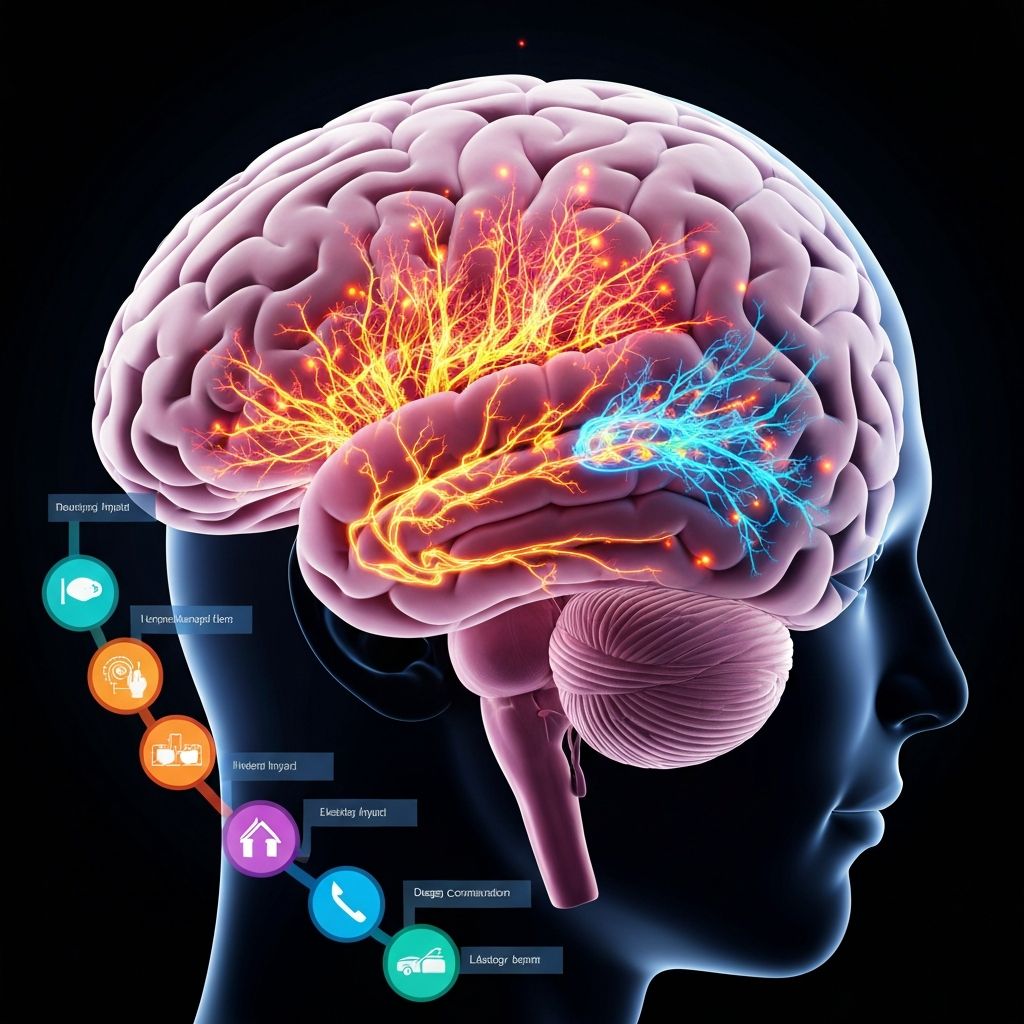
Flow is a mental state where you're completely absorbed in a challenging activity and your performance peaks. Here's how to engineer it deliberately.
What Is Flow State?
Coined by psychologist Mihaly Csikszentmihalyi, flow is a state of complete absorption in an activity that is simultaneously challenging and achievable. Time seems to stop. Self-consciousness disappears. Performance reaches its peak. Athletes call it being 'in the zone.' Knowledge workers experience it during their best coding or writing sessions.
The Conditions for Flow
Flow requires three conditions: a clear goal (you know what you are trying to achieve), immediate feedback (you can tell if you are progressing), and a challenge-skill balance (the task is hard enough to demand full attention but not so hard that it triggers anxiety). All three must be present simultaneously.
The Challenge-Skill Sweet Spot
This balance is the most important condition. Too easy and you drift into boredom. Too hard and you hit anxiety. Flow lives in the narrow band where challenge is slightly above your current skill level — enough to require full engagement, not enough to overwhelm. As you improve, you need harder challenges to reach the same state.
Eliminating Flow Blockers
Interruptions are the enemy of flow. Research shows it takes an average of 23 minutes to fully return to a task after an interruption. Notifications, open browser tabs, background noise, and unclear goals all block the path to flow. Engineer your environment to remove these before you sit down to work.
The Flow Onset Ritual
Flow rarely happens instantly — there is usually a 10-20 minute entry phase where you feel friction and resistance. Having a consistent pre-work ritual (same location, same music or silence, reviewing your goal, first small action) shortcuts this entry phase over time. The ritual trains your brain to transition faster.
Using Future Task to Engineer Flow
Before each work session, use Future Task to set a crystal-clear goal for the next 90 minutes. Break it into the smallest possible first step to eliminate starting friction. Use Pomodoro mode to run the session. Immediately after, log your output in a note. Over weeks, your stats will reveal which times of day and which task types produce the most flow — optimize around those insights.